36 Japanese Names Meaning Water
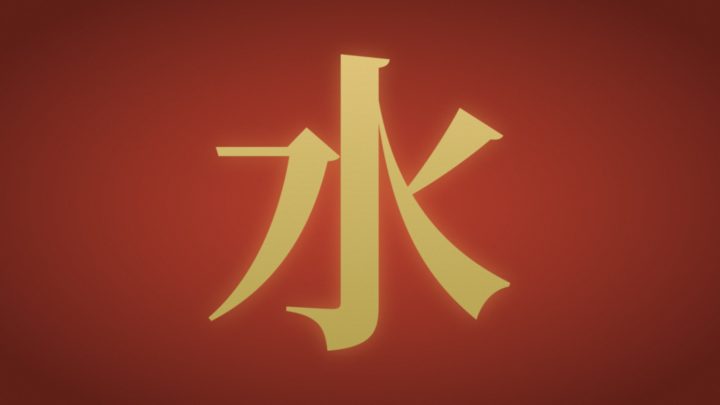
Water is one of the gentlest and most powerful symbols in Japanese culture. It means purity and tranquility, adaptability and rebirth —…
Our Japanese Name Generator helps you create authentic Japanese names inspired by traditional naming conventions and modern culture. Instantly generate male, female, and gender-neutral Japanese names complete with kanji, pronunciation, and meanings where available. Whether you're writing a novel, creating an anime or gaming character, developing an RPG, or simply exploring Japanese culture, our generator provides unique, realistic name ideas that reflect the beauty and depth of the Japanese language.
Every Japanese name is built from kanji characters, each carrying centuries of meaning — from honor and strength to moonlight and blooming plum.
In Japan the family name precedes the given name. Our generator respects this tradition presenting your full name as it would appear in Japan.
Choose from names rooted in the Edo, Heian, or Meiji eras — each reflects a distinct period of Japanese culture, art, and philosophy.
Nature is woven into Japanese naming — cherry blossoms for spring, cicadas for summer, red maples for autumn.
Warrior names reflect virtues like courage, loyalty, and discipline. Edo-period names carry the weight of clan honor.
Japanese names are chosen not just for meaning but for sound. The rhythm and flow of syllables matters deeply.
Female names often end in -ko (child) or -mi (beauty). Male names carry strong kanji like Go (strong) or Ryu (dragon).
The number of strokes in name kanji is carefully counted. Names with auspicious stroke counts bring good fortune.
A Japanese name generator is a creative tool designed to help writers, gamers, roleplayers, and creators find authentic names. Unlike simple random generators that only match sounds, this tool focuses on the core of Japanese naming: the Kanji characters and the rich meanings behind them.
Choosing a Japanese name is beautifully complex because Japanese names are not just about phonetics. The exact same spoken name can be written with entirely different Kanji, resulting in completely different meanings.
For example, the name Haruto can be written as 陽翔 (meaning “sun fly/soar”) or as 晴人 (meaning “clear-weather person”). Our generator bridges this gap by presenting the name, its written Kanji, and the deep symbolic meaning behind it.
Our generator is designed to be highly customizable, allowing you to tailor your results to fit your specific character, story, or project.
To make your characters or creative projects feel truly authentic, keep these key cultural naming conventions in mind:
In Japanese tradition, the family name (surname) always precedes the given name (e.g., Sato Hiroshi, where Sato is the last name and Hiroshi is the first name). Our generator respects this tradition, presenting names exactly as they would appear in Japan.
A Japanese name operates on two levels: how it sounds when spoken, and what it looks like when written. If you want a character’s name to carry hidden symbolic weight or foreshadowing in your story, pay close attention to the individual Kanji meanings.
Naming trends in Japan change drastically over time. If you are writing a historical piece, names from the Heian, Edo, or Meiji eras have a distinctly different structure, complexity, and rhythm compared to modern, westernized names.
Traditional Japanese names often feature distinct endings. Female names frequently end in suffixes like -ko (child), -mi (beauty), or -ka (flower). Male names often utilize strong, traditional endings like -to, -ro, or -ta.
Use the generator at the top of this page to explore thousands of combinations. Each click yields a culturally accurate name complete with translation, giving you the perfect starting point for your creative journey.
Water is one of the gentlest and most powerful symbols in Japanese culture. It means purity and tranquility, adaptability and rebirth —…
Japanese gaming names are some of the most-searched gamer tags in the world — and it’s easy to see why. A name…
Choosing a Japanese girl’s name is choosing the kanji as much as the sound — the same sound can be written many…