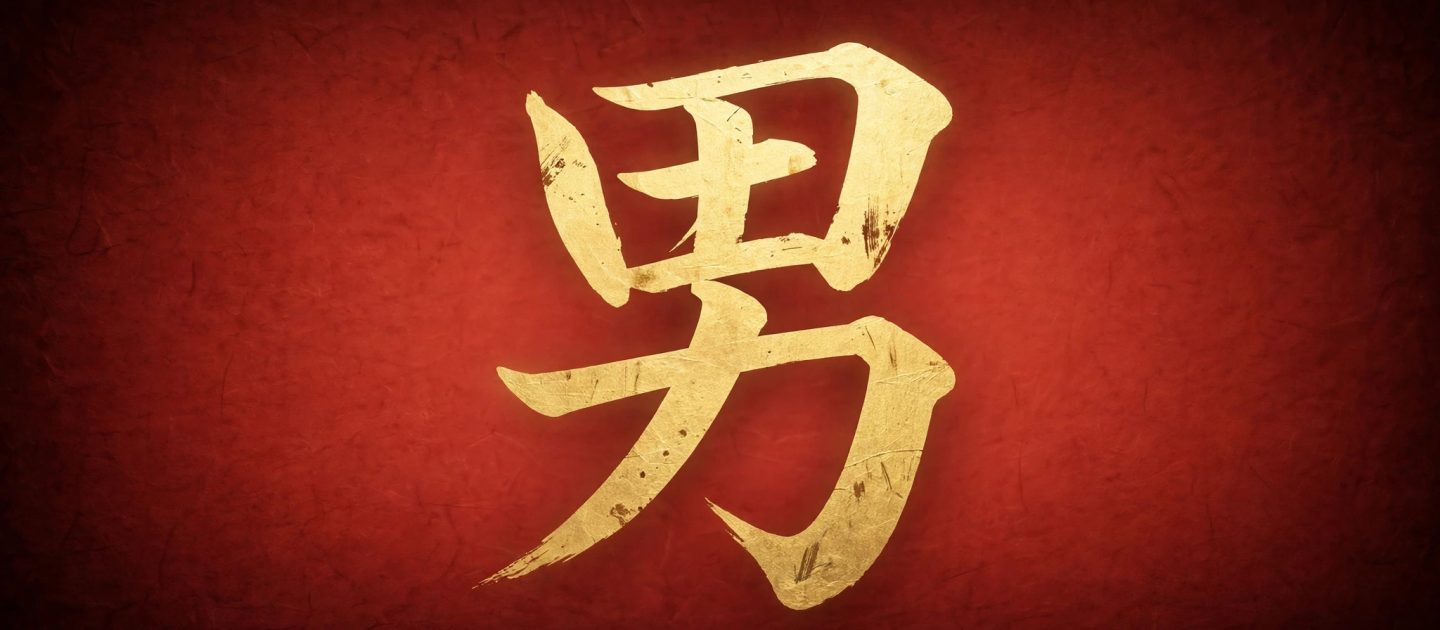
Choosing a Japanese boy’s name is really choosing a wish. Almost every name is built from kanji characters picked for their meaning, so the name becomes a kind of blessing written into the child — or the character — from day one. Parents reach for characters meaning strength, nature, or sunlight; writers and gamers reach for the same palette to give their heroes instant depth.
Below are 51 Japanese boy names with their kanji and meanings, grouped by style: strong and classic, drawn from nature, and the modern names actually topping Japan’s birth records. Every entry is honest about real-world use — because some of these are everyday playground names, while others are bold picks better suited for characters, pen names, and gaming handles.
If you want to mix and match kanji into your own creation, our Japanese Name Generator can help you explore authentic combinations. And if you are curious what your own name looks like in Japanese script, try our katakana converter to see your name in katakana.
Strong and Classic Boy Names
These are the names built from kanji for warrior, bravery, victory, and virtue. They have been used for generations, they age well, and they never go out of style.
- Takeshi (武) — “warrior, military”. Classic, common.
- Kenji (健二) — “healthy/strong + second”. Common.
- Tsuyoshi (剛) — “strong, sturdy”. Classic.
- Isamu (勇) — “brave, courageous”. Classic.
- Masaru (勝) — “victory”. Classic.
- Kenta (健太) — “healthy/strong + thick”. Common.
- Daiki (大輝 / 大樹) — “great radiance” / “great tree”. Common; note both spellings.
- Daisuke (大輔) — “great + help”. Common.
- Makoto (誠) — “sincerity”. Common; also unisex.
- Yuki (勇気) — “courage”. Common.
- Takeru (尊 / 武) — “noble” / “warrior”. Classic; note both spellings.
- Sho (翔) — “to soar”. Common.
- Shota (翔太) — “soar + thick”. Common.
- Takashi (隆) — “noble, prosperous”. Classic.
- Ryu (龍 / 竜) — “dragon”. Common; both kanji are standard.
- Tatsuya (竜也) — “dragon + to be”. Common.
- Ryota (涼太 / 亮太) — “refreshing + thick” / “clear + thick”. Common; note both spellings.
- Taro (太郎) — “great + son” — the eldest son. Traditional.
- Ichiro (一郎) — “first + son” — first son. Traditional.
- Jiro (二郎) — “second + son” — second son. Traditional.
Nature Boy Names
Sea, sky, wind, and storm — these names borrow their meaning from the natural world. Some are gentle (Sora, Minato), some are dramatic (Raiden, Arashi), and honesty matters here: the dramatic ones read as bold.
- Kaito (海斗) — “sea + Big Dipper”. Very common modern.
- Kai (海) — “sea, ocean”. Popular modern.
- Sora (空) — “sky”. Popular; unisex.
- Riku (陸) — “land, shore”. Popular.
- Minato (湊) — “harbor, port”. Popular modern.
- Itsuki (樹) — “tree”. Popular modern.
- Hayato (隼人) — “falcon + person”. Common; old warrior associations.
- Hayate (颯 / 疾風) — “sound of wind; gale”. Uncommon, bold.
- Arashi (嵐) — “storm”. Rare, bold.
- Raiden (雷電) — “thunder + lightning”. Rare, bold; historical: sumo legend Raiden Tameemon.
- Haru (春) — “spring”. Common; unisex.
- Aoi (蒼 / 碧 / 葵) — “blue/green”. Common; unisex; note the kanji options.
- Yuki (雪 / 幸) — “snow” / “happiness”. Common; unisex; meaning depends on the kanji.
- Natsuki (夏希) — “summer + hope”. Unisex.
- Yamato (大和) — “great harmony”. Classic; also the old name for Japan itself.
- Daichi (大地) — “great land, earth”. Common.
Modern Boy Names
These are the names filling Japan’s classrooms right now — soft sounds, bright meanings, and several that have sat at the top of the annual newborn-name rankings for years.
- Haruto (陽翔) — “sunlight + soar”. Has topped Japan’s annual newborn-name rankings for years.
- Ren (蓮) — “lotus”. Very popular; unisex.
- Sota (颯太) — “sound of wind + thick”. Popular.
- Yuto (悠人 / 優人) — “calm/gentle + person”. Popular.
- Aoto (碧人) — “blue-green + person”. Modern; a fixture in recent annual newborn-name readings.
- Koki (光希) — “light + hope”. Popular.
- Yuma (悠真) — “calm + truth”. Popular.
- Fuma (風磨) — “wind + polish”. Modern, uncommon; celebrity spelling: Kikuchi Fuma (菊池風磨).
- Taiga (大河) — “great river”. Modern.
- Akira (明 / 亮) — “bright, clear”. Common; unisex.
- Hinata (陽向 / 日向) — “sunny place, facing the sun”. Common; unisex.
- Asahi (旭) — “morning sun”. Common; unisex.
- Shun (駿 / 俊) — “swift (fine horse)” / “talented”. Common.
- Jun (純) — “pure”. Common; unisex.
- Taichi (太一) — “great + one”. Common.
Unisex Boy Names That Work for Girls Too
Haru, Aoi, Ren, Sora, Yuki, Akira, Hinata, Makoto, and Jun all work for any gender. As a rule of thumb, the sun and light names (Haruto, Asahi, Hinata, Akira, Koki) are the most usable in real life; the literal force-of-nature names (Raiden, Arashi, Hayate) are bold picks, popular for characters and pen names.
Frequently Asked Questions
What is the most popular Japanese boy name right now?
Haruto (陽翔) has topped Japan’s annual newborn-name rankings for years. Sota, Ren, Minato, and Aoto regularly rank near the top as well.
Do Japanese boy names have meanings?
Yes — nearly every name is chosen for its kanji meaning, and one reading can carry different meanings with different kanji. Haruto can be 陽翔 (“sunlight + soar”) or 春翔 (“spring + soar”).
What Japanese boy name means “strong”?
Takeshi (武), Tsuyoshi (剛), Isamu (勇), Kenta (健太), and Yuki (勇気) all carry meanings of strength and courage.
What Japanese name means “dragon”?
Ryu (龍/竜) and Tatsuya (竜也) both mean dragon. Dragons in Japanese culture symbolize wisdom, strength, and good fortune — nothing like the Western fire-breathing monsters.
What does the -ro ending in boys’ names mean?
郎 means “son”. Traditionally it marked birth order — Taro (eldest), Jiro (second), Saburo (third). Today it just reads classic and masculine.
Can these boy names be used for girls?
Some are genuinely unisex: Haru, Aoi, Ren, Sora, Yuki, Akira, Hinata, Makoto, and Jun. But Takeshi, Kenji, and Taro read unmistakably masculine to a Japanese speaker.
Expanding Your Character’s Naming Universe
Looking for names with a fiercer edge? Our guide to badass Japanese names goes deep into powerful, intimidating territory. For names built around a single element, explore our Japanese names meaning fire — from everyday classics to bold flame names. And whenever you are ready to build the perfect combination for your character, hop back to the Japanese Name Generator — or see your own name in katakana first.
[…] looking? Browse the companion list of Japanese boy names, or generate a name in your favourite style with the free Japanese Name […]